
Slovak tax authority is checking company cars with cameras. Fines can reach €10,000
In July 2026 the Slovak Financial Administration launched a nationwide inspection of company passenger cars. It does not only check paperwork — it compares your mileage log against motorway camera footage, public space cameras and parking records. Businesses that claimed a full VAT deduction and whose records do not match where the car actually went may have to return the deduction and pay a fine of the same amount.
What the tax authority is checking
The inspection covers passenger vehicles acquired after 1 January 2026 and the correctness of the VAT deduction claimed.
Since the start of the year two regimes apply. If the vehicle is also used privately, the taxpayer claims a flat 50 % deduction. The full 100 % is available only to those who prove the car is used exclusively for business — through a detailed electronic mileage log and a notification filed with the tax office.
Those who filed that notification are the target of this campaign. The logic is simple: you declared you never drive the car privately, so we will verify it.
See our article on the electronic mileage log from 1 January 2026.
Cameras, car parks and data analytics
The novelty is not the inspection itself but how the authority picks who to inspect.
It uses:
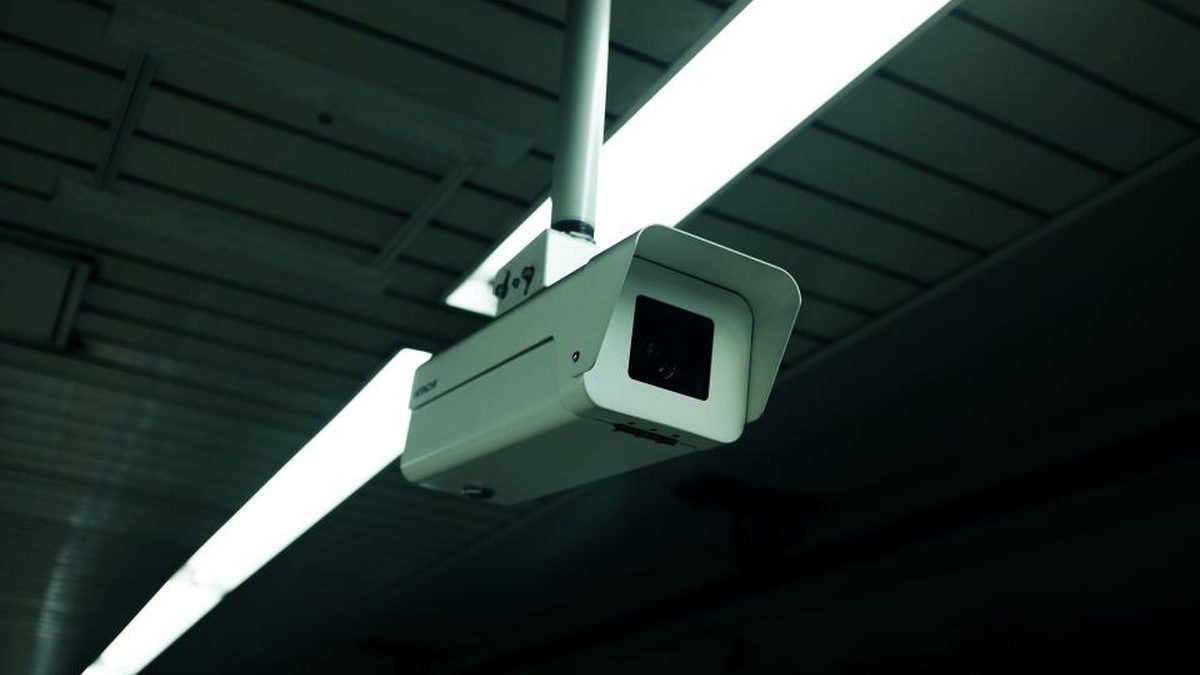
• cameras of the national motorway operator, recording when and where a vehicle travelled, • cameras in public spaces, • vehicle parking records, • data analytics combining these sources to flag risky cases.
The result is a list of vehicles whose movement does not match the declared exclusive business use. Only then does an inspector arrive — with specific dates and places to ask about.
How many businesses are affected
As of 15 July 2026 the Financial Administration recorded 5,681 notifications covering 22,265 vehicles declared as exclusively business-use.
This is the pool inspections are drawn from. These are not random checks — it is a defined set of businesses that themselves reported claiming the full deduction.
What it can cost
The sanction has two parts and they add up.
First, the improperly claimed VAT deduction must be returned. Second, a fine of up to 100 % of that deduction may follow.
In practice a €10,000 deduction means paying back €10,000 and facing up to €10,000 more in fines. One mid-range car gets you there easily, and with several vehicles the figure multiplies.
Have your accountant confirm the exact figures for your case; they depend on the purchase price, the acquisition period and how much you actually deducted.
Where businesses usually fail
Rarely through fraud. Usually through sloppy record keeping.
• A weekend trip missing from the log. A camera catches the car on Saturday heading to the coast; the log is silent. • Parking at a shopping centre or at home over holidays while records claim exclusive business use. • A one-word trip purpose. "Business" is not enough — the record must show the commercial reason for the journey. • Mileage that does not add up. Logged trips total less than the odometer difference. • A log filled in retrospectively once a quarter, when nobody remembers where they were.
We covered this in our article on the most common mileage log mistakes.
How to prepare before the inspector calls
1. Be honest about whether the car really is business-only. If it is only "almost always", the full deduction is a risk. Under the 50 % regime you prove nothing and sleep well.
2. Stop writing the log by hand. Manual records are exactly what falls apart against camera data. An automatic GPS record captures every movement, including the ones you would forget.
3. Write a specific purpose. Not "business", but "site inspection, client Novák, Trenčín".
4. Keep the past available. Inspections look backwards. Records you start after a notice will not help.
5. Review your records before the authority does. A gap you find yourself can be dealt with. A gap the inspector finds leaves only the size of the penalty to discuss.
See also the mileage log during a tax inspection.
Why GPS is an advantage here, not surveillance
The usual objection to GPS is that it monitors employees. In this inspection the logic is reversed: GPS is the only record that holds up against cameras, because it was created at the same moment as the journey and cannot be written retrospectively.
An automatic log captures every trip with date, time, start and end location and distance. During an inspection you are not arguing your word against camera footage — you show your own record that matches it.
Private trips can be kept separate and their routes masked, so you do not breach GDPR obligations towards employees. The employer sees that a trip was private, not exactly where it went.
FAQ
Who is affected by the camera checks?
VAT payers who, for passenger vehicles acquired after 1 January 2026, notified the tax office of exclusive business use and claimed a 100 % VAT deduction. As of 15 July 2026 this covered 22,265 vehicles across 5,681 notifications.
What data can the tax authority use?
Footage from national motorway operator cameras, cameras in public spaces and vehicle parking records. Data analytics combines these to flag cases where vehicle movement does not match the declared use.
How high can the fine be?
The improperly claimed deduction must be returned, and a fine of up to 100 % of that deduction may follow. For a €10,000 deduction the total loss can reach €20,000. Exact figures depend on the case — confirm them with your accountant.
Will a GPS log help if the inspection looks backwards?
Only if you were already keeping it during the audited period. Records started after a notice will not cover the past, so it pays to start before your company appears on the list.
Can I avoid this by claiming only 50 %?
Under the flat 50 % deduction you do not have to prove exclusive business use, so this particular campaign does not concern you. A mileage log may still be needed for income tax and to substantiate vehicle costs.
How SaveTrack handles it: Trip logbook
Let GPS write your mileage log — a record that matches the cameras
GPS tracking from €6/month, with the GPS device included on annual payment.
Order with no obligation