
Electronic vs. paper mileage log – a comparison
Are you keeping your mileage log on paper, or considering the move to digital? We compare both forms from the perspective of accuracy, time and the risk of errors.
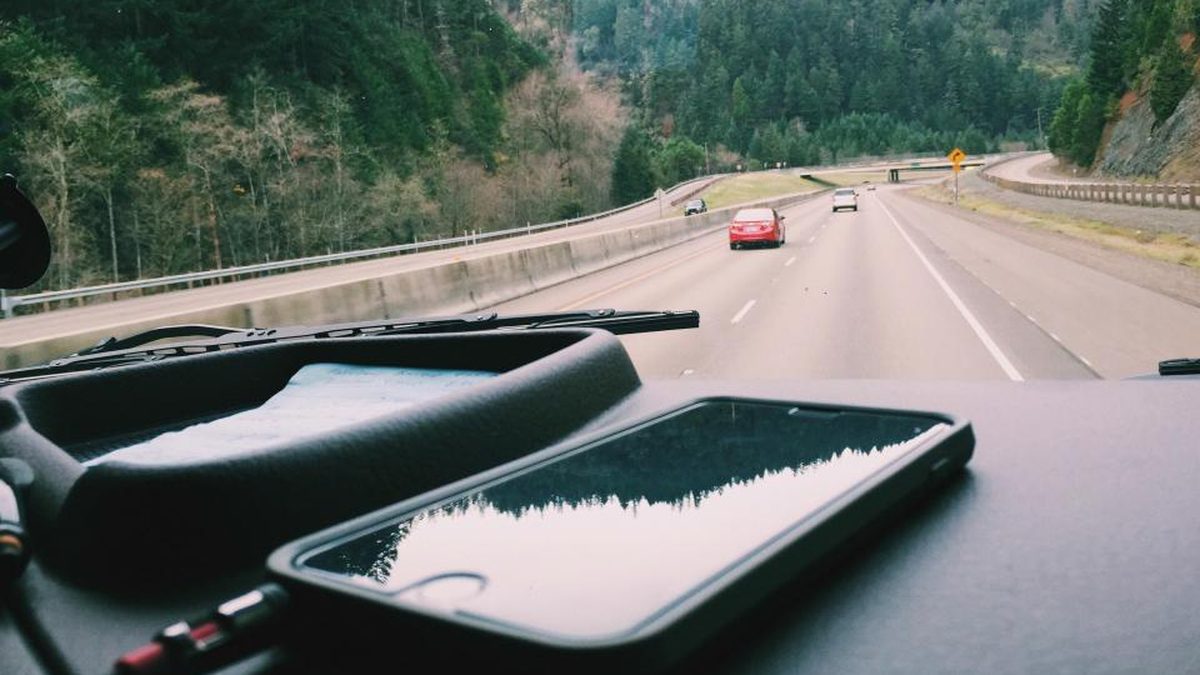
Electronic versus paper mileage log in brief
The main difference between the forms is the source of the data. An electronic mileage log draws its data automatically from the GPS unit, whereas a paper one is created by writing entries by hand after each journey.
Manual entry places greater demands on the driver's discipline and memory. Digital records collect data continuously, so they do not depend on whether the driver remembers the exact route and distance in the evening.
Accuracy and completeness of records
With a paper log, distances and times are often estimated, which leads to discrepancies between the odometer reading and the sum of the journeys. Such differences stand out during an inspection.
Automatic records capture the real route with the position updated every 60 seconds while driving. Distances and times match reality, which substantially reduces the risk of errors in the mileage log.
Time and effort
Keeping a mileage log by hand means extra minutes each day for every vehicle, which over a month add up to hours of administration.
A digital mileage log saves that time – journeys record themselves and the role of the driver or fleet manager narrows to checking and classifying the type of journey.
Risk of alteration and credibility
A paper record can be rewritten afterwards without any trace, which reduces its credibility. A good electronic mileage log, by contrast, logs changes.
SaveTrack keeps an audit trail of edits – with every change it is clear who altered the record and when. That helps defend the records in any inspection.
Costs and payback
Paper looks like the cheaper option, but the hidden costs are lost time, errors and the risk of an additional assessment during an inspection. Digital records have a clear monthly price.
SaveTrack starts from €6 a month per vehicle, with the GPS unit included on annual payment. A loyalty discount gradually lowers the price from €6 to €5 and down to €4, with Europe included and no lock-in of any kind.
When to stay with paper and when to go digital
With one car and a few journeys a month, paper may still suffice. As the number of vehicles and journeys grows, however, the effort and error rate quickly show.
For companies with regular operations an automatic mileage log is generally the better option. Confirm the suitability of a particular solution for your accounting with your accountant.
FAQ
Is an electronic mileage log accepted in a tax inspection?
Yes, provided it contains all the required details, is legible and changes are traceable. SaveTrack additionally keeps an audit trail of edits, which increases its credibility.
What is the main advantage of an electronic mileage log over paper?
Accuracy and time saved. The data is collected automatically from GPS, so distances and routes match reality and the risk of discrepancies from estimates disappears.
Can I replace a paper mileage log with a GPS application?
Yes. An automatic mileage log from GPS fully replaces paper records. The finished records can be exported to PDF or XLS for your accountant.
How much does an electronic mileage log cost with SaveTrack?
From €6 a month per vehicle. With annual payment the GPS unit is included and a loyalty discount lowers the price down to €4 with no lock-in, and Europe is included.
Can an electronic record be edited afterwards?
A journey can be edited, but in SaveTrack it stays in the audit trail – you can see who made the change and when. That gives the records greater credibility than paper.
Move from paper to an automatic mileage log
GPS tracking from €6/month, with the GPS device included on annual payment.
Order with no obligation